Kegel Exercisers: Strengthening Your Pelvic Floor for Better Health
Kegel exercisers—also known as pelvic floor trainers—are devices designed to help strengthen the muscles of the pelvic floor. These muscles form a supportive “hammock” across the bottom of the pelvis and help support important organs such as the bladder, uterus, bowel, and rectum. When these muscles become weak due to aging, pregnancy, childbirth, surgery, or lifestyle factors, people may experience issues such as urinary leakage or reduced muscle control. :contentReference[oaicite:0]{index=0}
Kegel exercisers work by helping users perform pelvic floor exercises more effectively. By contracting and relaxing these muscles regularly, many people can improve strength, control, and overall pelvic health.
What Is a Kegel Exerciser?
A Kegel exerciser is a device that assists with pelvic floor muscle training. The goal is to help the user correctly perform Kegel exercises—repeatedly tightening and releasing the pelvic floor muscles—to build strength and control. :contentReference[oaicite:1]{index=1}
Some devices simply provide resistance (similar to lifting a small weight), while others use technology such as sensors or electrical stimulation to guide and measure muscle contractions. :contentReference[oaicite:2]{index=2}
Examples of Kegel exercisers include:
Kegel balls or vaginal weights
Biofeedback pelvic trainers with smartphone apps
Electrical stimulation pelvic floor devices
Weighted training sets with progressive resistance
These tools help users become more aware of their pelvic floor muscles and improve the quality of their exercises.
Benefits of Kegel Exercisers
Pelvic floor training is widely recommended by health professionals for a variety of reasons. Strengthening these muscles can support several aspects of physical health.
Improved bladder control – May help reduce urinary leakage or incontinence.
Support for pelvic organs – Strong muscles help hold pelvic organs in place.
Recovery after childbirth – Can assist with muscle recovery and healing.
Improved bowel control – Helps control gas and bowel movements.
Enhanced sexual wellness – Stronger pelvic muscles may increase sensation and control.
Regular pelvic floor exercises are often recommended to help prevent or manage urinary leakage and other pelvic floor symptoms. :contentReference[oaicite:3]{index=3}
Types of Kegel Exercisers
1. Kegel Balls or Weights
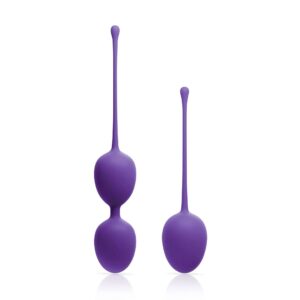
Kegel balls (sometimes called Ben Wa balls or vaginal weights) are small weighted devices that are inserted and held in place by contracting the pelvic floor muscles. This creates resistance training, similar to lifting small weights at the gym. :contentReference[oaicite:4]{index=4}
They are often used in progressive sets where the weight gradually increases as muscle strength improves.
2. Smart Pelvic Floor Trainers
Modern devices include sensors that measure muscle contractions and provide real-time feedback through smartphone apps. These trainers can display progress, guide exercises, and help ensure the correct muscles are being used. :contentReference[oaicite:5]{index=5}
3. Electrical Stimulation Devices
Some medical devices stimulate pelvic floor muscles using gentle electrical signals. These signals trigger muscle contractions and help train the muscles over time. :contentReference[oaicite:6]{index=6}
These are often used under medical guidance for pelvic floor rehabilitation.
How to Use a Kegel Exerciser
Although instructions vary depending on the device, the basic approach is similar across most products.
Ensure the device is clean before use.
Insert or position the trainer according to instructions.
Contract the pelvic floor muscles (as if stopping urination).
Hold the contraction for a few seconds.
Relax and repeat several times.
Many training programs recommend repeating these contractions several times per day for the best results.
Do You Need a Device to Do Kegels?
No. Kegel exercises can be performed without any device by simply tightening and relaxing the pelvic floor muscles. Devices mainly provide feedback, motivation, or resistance to help users perform the exercises correctly. :contentReference[oaicite:7]{index=7}
For some people, a device can make training easier or more engaging, especially if they are unsure whether they are contracting the correct muscles.
Who May Benefit from Kegel Exercises
Pelvic floor training may benefit people experiencing:
Urinary leakage when coughing or laughing
Weak pelvic floor muscles after pregnancy
Pelvic organ support issues
Reduced pelvic muscle control with aging
Strengthening these muscles may also improve overall pelvic stability and core support.
Important Safety Tips
Follow instructions provided with the device.
Clean the device before and after use.
Do not perform Kegel exercises while urinating regularly, as this can increase infection risk. :contentReference[oaicite:8]{index=8}
Consult a healthcare professional if you have pelvic pain or medical conditions.
Some people with certain pelvic conditions may need professional guidance before starting pelvic floor training.
Frequently Asked Questions
Do Kegel exercisers really work?
When used correctly and consistently, pelvic floor training can strengthen the muscles and improve symptoms such as urinary leakage. :contentReference[oaicite:9]{index=9}
How long does it take to see results?
Many people notice improvements within a few weeks to a few months of regular exercise.
Can men use Kegel exercisers?
Yes. Pelvic floor exercises can benefit both men and women and may help with bladder control and pelvic muscle strength.
Do you need to use a device forever?
No. Once the muscles are stronger, many people maintain strength by continuing regular pelvic floor exercises without devices.
Are Kegel exercises safe for everyone?
Most people can safely perform pelvic floor exercises, but individuals with certain pelvic floor disorders should seek medical advice first.
Final Thoughts
Kegel exercisers are tools designed to help strengthen the pelvic floor muscles through guided exercises and resistance training. Whether using a simple weight, a smart trainer, or practicing the exercises independently, regular pelvic floor training can improve bladder control, support pelvic health, and enhance overall well-being.
With consistent practice and proper technique, these exercises can become a valuable part of long-term health and wellness.
::contentReference[oaicite:10]{index=10}
Related Posts:
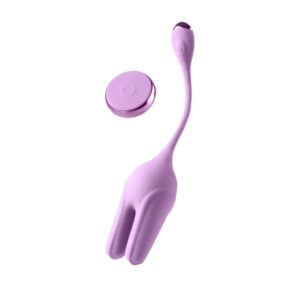
Form 2® Kegel Trainer Form 2® Kegel Trainer. Your 2-in-1 pleasure trainer has arrived. Inspired by our award-winning Form 2® vibrator, the Form 2® Kegel Trainer has two powerful motors (one in each ear) with ten high-performing Intensity levels for you to choose from while strengthening your pelvic floor muscles. The best part? It’s great for external and internal stimulation. Incorporate the Form 2® Kegel Trainer with its easy-to-operate remote control into your self-care routine and your daily kegel exercise, or keep it inserted for discreet play throughout your day anytime — anywhere. Use internally to help strengthen pelvic floor muscles and provide targeted,…
App-Controlled Kegel Balls for Pleasure & Training | Honey Play Box App-Controlled Kegel Balls for Pleasure & Training | Honey Play Box. Honey Play Box app-controlled Kegel balls combine pleasure and training, offering wireless control and pelvic fitness for stronger, sensual confidence.. Another genuine quality product from .
Purple Intimate Care Kegel Trainer Set Purple Intimate Care Kegel Trainer Set. Steel balls inside each smooth silicone Kegel ball create dynamic vibrations to respond to your body’s natural movements. Welcome to immediate enjoyment and long-term beneficial results, including orgasmic benefits, and internal health, with this personal workout. Weighted, flexible design Made from 100% FDA-cleared silicone Flexible silicone tail - designed for easy removal Used by women and couples Great for improving muscle control Waterproof and washable safe Read More: Using Toys in a Relationship The Benefits of Masturbating with Sex Toys How to Increase Libido? How to Reduce Refractory Period?. Another genuine quality product from…
Love Us Egg 4 Love Us Egg 4. Move up to the next level of sex toys with the Love Us Egg 4. This APP controlled toy takes you out of the bedroom and around the world! Connect with others live in real time and control their pleasure or let them control yours. Let your favorite music create your orgasms as the toy vibrates to the beat of the song! Play the built-in game where instead of points you get vibrations! Follow a properly designed Kegel training session to tighten up those muscles. The Love Us Egg 4 is medium size so…
Love Us Egg 1 Love Us Egg 1. Move up to the next level of sex toys with the Love Us Egg 1. This APP controlled toy takes you out of the bedroom and around the world! Connect with others live in real time and control their pleasure or let them control yours. Let your favorite music create your orgasms as the toy vibrates to the beat of the song! Play the built-in game where instead of points you get vibrations! Follow a properly designed Kegel training session to tighten up those muscles. The Love Us egg 1 is super slim so…
Petite Star Pasties Petite Star Pasties. Look like a Rockstar in these black, glitter pasties! These pasties are hand-made in the USA from soft, form-fitting, glittery material that forms seamlessly to curves and resists wrinkling over hardening nipples. Just peel-and-stick on clean, dry skin. All Pastease® feature latex-free, medical-grade, waterproof adhesive that stay securely in place for as long as you like and until they are gently removed. Recommended Reading: Everything You Ever Wanted to Know About Condoms Why You Should be Doing Kegel Exercises 40 Songs to Get Down To Pairs Great With: Lovers Wonder Wand Massager Mesmerizing Lace Teddy Strappy Fishnet Stockings. Another…