Bondage is a form of consensual intimacy that involves restricting movement using restraints such as cuffs, ropes, straps, or other accessories. It is often associated with the broader concept of BDSM (Bondage, Discipline, Dominance, Submission, Sadism, and Masochism), but bondage itself focuses mainly on the use of restraints and sensory control.
For many people, bondage is less about intensity and more about trust, communication, and exploration between partners. When practiced responsibly and with clear consent, it can add variety and excitement to intimate experiences.
What Is Bondage?
Bondage refers to the use of restraints to limit a person’s movement during intimacy. These restraints can be soft and gentle or more structured depending on the preferences of the people involved.
Common bondage elements include:
Wrist or ankle restraints
Blindfolds
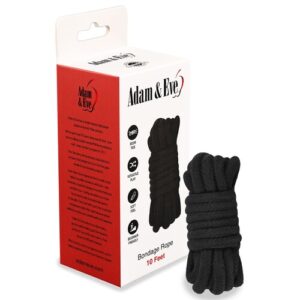
Bondage rope
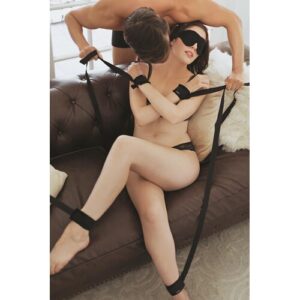
Under-bed restraint systems
Soft cuffs or straps
The goal is often to create a sense of anticipation, vulnerability, or heightened sensory awareness.
Why People Explore Bondage
People explore bondage for different reasons, but it often centers around trust and shared experiences between partners.
Some reasons include:
Creating excitement through anticipation
Exploring power dynamics in a consensual way
Enhancing sensitivity to touch and sensation
Adding variety to intimacy
For many couples, the communication involved in discussing boundaries and preferences is an important part of the experience.
Common Bondage Accessories
Soft Restraints
Soft cuffs or restraints are often recommended for beginners. They are designed to be comfortable and easy to remove.
Bondage Rope
Special ropes can be used to tie wrists, ankles, or other parts of the body. Beginners often start with simple ties before learning more advanced techniques.
Blindfolds
Blindfolds remove visual cues, which can heighten other senses such as touch and sound.
Under-Bed Restraint Systems
These systems attach to a bed frame and allow restraints to be secured without permanent installation.
Safety and Consent
Safety is extremely important when practicing bondage. Most communities emphasize the concept of Safe, Sane, and Consensual (SSC).
Safe: Activities should avoid unnecessary risk.
Sane: Participants should be able to make clear decisions.
Consensual: Everyone involved must agree to the activity.
Many couples also use a safe word, which is a word that immediately stops the activity if someone becomes uncomfortable.
Tips for Beginners
Start with simple restraints or blindfolds.
Discuss boundaries and expectations beforehand.
Never leave a restrained person unattended.
Keep safety tools such as scissors nearby when using rope.
Check in regularly with your partner.
Taking things slowly helps ensure that the experience remains comfortable and positive for everyone involved.
Cleaning and Care
Bondage accessories should be kept clean and stored properly.
Wash fabric restraints according to instructions.
Clean leather or synthetic materials with appropriate cleaners.
Store items in a dry, clean place.
Frequently Asked Questions
Is bondage safe?
Bondage can be safe when practiced responsibly with clear communication, consent, and proper precautions.
Is bondage only for experienced people?
No. Many beginners start with simple items such as soft cuffs or blindfolds.
Do couples use bondage to improve intimacy?
Some couples explore bondage as a way to add variety and deepen communication in their relationship.
Do you need special equipment?
Not necessarily. Many beginner activities involve simple accessories designed for comfort and safety.
Final Thoughts
Bondage is one form of consensual exploration that focuses on trust, communication, and shared experiences. By starting slowly, respecting boundaries, and prioritizing safety, many people find it can be an interesting way to explore intimacy and connection with a partner.
As with any intimate activity, mutual respect, communication, and comfort are the most important factors for a positive experience.
Related Posts:
Beginner's Bondage Fantasy - Bondage | Adam & Eve Beginner's Bondage Fantasy - Bondage | Adam & Eve Real-world overview based on the current product listing details. Beginner's Bondage Fantasy - Bondage | Adam & Eve (shop link) This is an adult product intended for consensual use. Please refer to the listing for full details and suitability. View price & buy Answer Capsule What is it?Beginner's Bondage Fantasy - Bondage | Adam & Eve — an adult product sold via Lovehoney AU (see the product page for the complete specification). Who is it for?Adults looking to explore pleasure solo or with a partner, in a way that suits their…
Adam & Eve Bondage Rope - Bondage | Adam & Eve Adam & Eve Bondage Rope - Bondage | Adam & Eve Real-world overview based on the current product listing details. Adam & Eve Bondage Rope - Bondage | Adam & Eve (shop link) This is an adult product intended for consensual use. Please refer to the listing for full details and suitability. View price & buy Answer Capsule What is it?Adam & Eve Bondage Rope - Bondage | Adam & Eve — an adult product sold via Lovehoney AU (see the product page for the complete specification). Who is it for?Adults looking to explore pleasure solo or with a partner,…
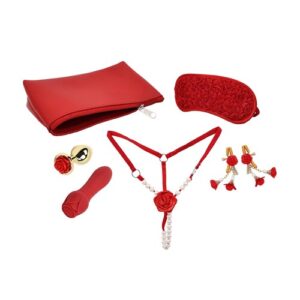
Ravishing Rose 6 Piece Travel Kit - Bondage | Adam & Eve Ravishing Rose 6 Piece Travel Kit - Bondage | Adam & Eve Real-world overview based on the current product listing details. Ravishing Rose 6 Piece Travel Kit - Bondage | Adam & Eve (shop link) This is an adult product intended for consensual use. Please refer to the listing for full details and suitability. View price & buy Answer Capsule What is it?Ravishing Rose 6 Piece Travel Kit - Bondage | Adam & Eve — an adult product sold via Lovehoney AU (see the product page for the complete specification). Who is it for?Adults looking to explore pleasure solo or…
Hog Tie & Cuff Set - Bondage | Adam & Eve Hog Tie & Cuff Set - Bondage | Adam & Eve Real-world overview based on the current product listing details. Hog Tie & Cuff Set - Bondage | Adam & Eve (shop link) This is an adult product intended for consensual use. Please refer to the listing for full details and suitability. View price & buy Answer Capsule What is it?Hog Tie & Cuff Set - Bondage | Adam & Eve — an adult product sold via Lovehoney AU (see the product page for the complete specification). Who is it for?Adults looking to explore pleasure solo or with a partner,…
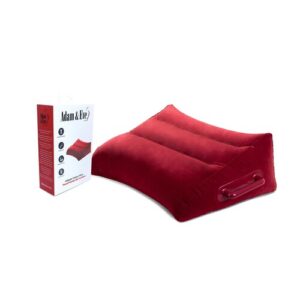
Adam & Eve Inflatable Position Pillow - Bondage | Adam & Eve Adam & Eve Inflatable Position Pillow - Bondage | Adam & Eve Real-world overview based on the current product listing details. Adam & Eve Inflatable Position Pillow - Bondage | Adam & Eve (shop link) This is an adult product intended for consensual use. Please refer to the listing for full details and suitability. View price & buy Answer Capsule What is it?Adam & Eve Inflatable Position Pillow - Bondage | Adam & Eve — an adult product sold via Lovehoney AU (see the product page for the complete specification). Who is it for?Adults looking to explore pleasure solo or…
Under the Bed Restraint System - Bondage | Adam & Eve Under the Bed Restraint System - Bondage | Adam & Eve Real-world overview based on the current product listing details. Under the Bed Restraint System - Bondage | Adam & Eve (shop link) This is an adult product intended for consensual use. Please refer to the listing for full details and suitability. View price & buy Answer Capsule What is it?Under the Bed Restraint System - Bondage | Adam & Eve — an adult product sold via Lovehoney AU (see the product page for the complete specification). Who is it for?Adults looking to explore pleasure solo or with a partner,…
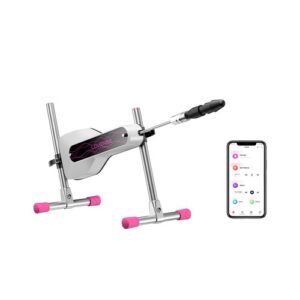
Lovense App Enabled Mini Sex Machine - Bondage | Adam & Eve Lovense App Enabled Mini Sex Machine - Bondage | Adam & Eve Real-world overview based on the current product listing details. Lovense App Enabled Mini Sex Machine - Bondage | Adam & Eve (shop link) This is an adult product intended for consensual use. Please refer to the listing for full details and suitability. View price & buy Answer Capsule What is it?Lovense App Enabled Mini Sex Machine - Bondage | Adam & Eve — an adult product sold via Lovehoney AU (see the product page for the complete specification). Who is it for?Adults looking to explore pleasure solo or…
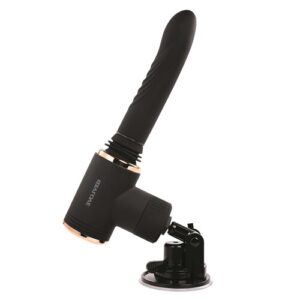
Too Hot To Handle Sex Machine - Bondage | Adam & Eve Too Hot To Handle Sex Machine - Bondage | Adam & Eve Real-world overview based on the current product listing details. Too Hot To Handle Sex Machine - Bondage | Adam & Eve (shop link) This is an adult product intended for consensual use. Please refer to the listing for full details and suitability. View price & buy Answer Capsule What is it?Too Hot To Handle Sex Machine - Bondage | Adam & Eve — an adult product sold via Lovehoney AU (see the product page for the complete specification). Who is it for?Adults looking to explore pleasure solo or…
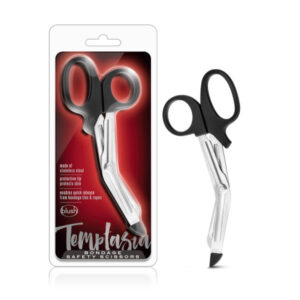
Temptasia Safety Scissors - Black Bondage Safety Sisters Temptasia Safety Scissors - Black Bondage Safety Sisters. Quickly and safely release your bound lover from rope, tape, poly wrap, zip ties, or soft bondage materials. Bondage Safety Scissors have a rounded, protected tip, and angled handle that ensure you will not injure skin. Ideal for situations where you may need to quickly release your captive, for medical fetish scenes, and for cutting off clothing. Keep you scissors in your night stand, toy bag, or anywhere you like to play! A must-have tool for new and experienced bondage enthusiasts alike. - ESSENTIAL - The Perfect Tool to Safely Cut Your…
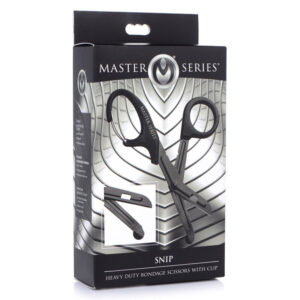
Master Series Snip - Black Heavy Duty Bondage Scissors Master Series Snip - Black Heavy Duty Bondage Scissors. The Snip is a dependable pair of shears every dungeon can count on! These Bondage Scissors are perfect for cutting rope or bondage tape thanks to its durable stainless steel blades and blunted tip - perfect for those testing their bondage limits. The carabiner handle makes it easy to keep close at hand and on your person. The sharp serrated blade easily cuts through rope and tape, making it easy to set your partner free in case of emergencies for a quick escape. The blunted safety tip protects skin during use…
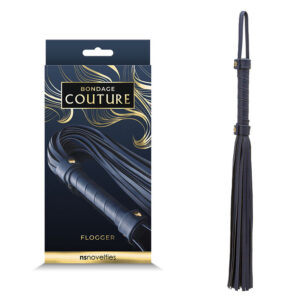
Bondage Couture Flogger - Blue - Blue Flogger Whip Bondage Couture Flogger - Blue - Blue Flogger Whip. Indulge your innermost desires with Bondage Couture from NS Novelties. Meticulously crafted from superior materials and featuring exquisite details, Bondage Couture is your ultimate accessory for the runway and the bedroom. All synthetic material and nickel free hardware. - Product Weight: 174 grams - Product Dimensions: 57 cm x 3.9 cm x 3.9 cm - Product Material: Pu Synthetic, Metal. Another genuine quality product from Ns Novelties.
Chain Body Jewelry Bondage Set Chain Body Jewelry Bondage Set. Indulge in the ultimate expression of sensual submission with the Rene Rofe Chain Body Jewelry Bondage Set. This exquisite set includes a seductive chain harness, matching cuffs, and a collar, all crafted from high-quality metal for a luxurious look and feel. The harness drapes sensually across your curves, accentuating your every move and highlighting your most alluring features. The matching cuffs and collar add a touch of restraint, making you feel deliciously vulnerable and entirely at your lover's mercy. With its intricate design and premium materials, the Rene Rofe Chain Body Jewelry Bondage Set is…