Bondage & BDSM: A Beginner’s Guide to Safe and Respectful Exploration
Bondage and BDSM refer to a range of consensual activities that explore power exchange, restraint, and sensory play within intimate relationships. The term BDSM is often used as an umbrella phrase that includes Bondage and Discipline (BD), Dominance and Submission (DS), and Sadism and Masochism (SM). These practices are typically based on trust, communication, and mutual consent between participants.
While the topic is often misunderstood, many people view BDSM as a form of exploration that focuses on communication, respect, and shared experiences. When approached responsibly, it can be a way for couples to experiment with new forms of intimacy and deepen their understanding of each other’s preferences.
Understanding Bondage and BDSM
Bondage refers specifically to the use of restraints or restriction of movement during intimate activities. This can include items such as soft cuffs, ropes, or straps that limit motion in a controlled way.
BDSM more broadly involves role-play, power exchange, or sensory play that participants agree to explore together. These activities can range from very mild and playful to more structured forms of role interaction.
The key element in all BDSM activities is consent and communication. Both partners must understand and agree to what will happen before it takes place.
Why Some Couples Explore BDSM
People explore bondage and BDSM for a variety of personal reasons. For many couples, the appeal lies in communication, trust, and exploring new experiences together.
Trust and communication: Partners often discuss boundaries and preferences openly.
Exploration of power dynamics: Some people enjoy role-playing different dynamics.
Sensory experiences: Restriction or sensory play can heighten awareness of touch.
Variety in relationships: Trying new activities can bring excitement to long-term relationships.
Many participants emphasize that healthy BDSM relies heavily on clear communication and mutual respect.
Common Bondage and BDSM Accessories
1. Soft Restraints
Soft restraints such as padded cuffs or adjustable straps are among the most common beginner items. These are typically designed for comfort and quick release, making them suitable for people new to bondage exploration.
2. Blindfolds
Blindfolds are used to temporarily remove sight, which can heighten awareness of other senses such as touch and sound. They are often used as a gentle introduction to sensory play.
3. Feather Ticklers and Sensory Tools
Light sensory tools such as feathers, soft brushes, or textured materials are used to create gentle sensations across the skin. These tools focus more on anticipation and playful exploration than intensity.
4. Bondage Rope
Specialized ropes are sometimes used for decorative or restraining purposes. Beginners often start with simple techniques and prioritize safety and comfort.
5. Role-Play Accessories
Some couples incorporate costumes or role-play scenarios that create playful dynamics between partners.
Safety and Consent
Safety is one of the most important aspects of BDSM. Responsible participants often follow the principle of SSC: Safe, Sane, and Consensual.
Safe: Activities should avoid unnecessary physical risk.
Sane: Participants should make clear and rational decisions.
Consensual: Everyone involved must willingly agree to the activity.
Many couples also agree on a safe word, which is a predetermined word that immediately stops the activity if someone becomes uncomfortable.
Tips for Beginners
Start slowly with simple activities.
Discuss boundaries and expectations beforehand.
Use beginner-friendly equipment designed for safety.
Maintain clear communication throughout the experience.
Stop immediately if anyone feels uncomfortable.
For many couples, taking time to talk about expectations and limits is an important part of building trust.
Frequently Asked Questions
Is BDSM always intense or extreme?
No. Many people practice very light or playful forms of BDSM, such as using blindfolds or soft restraints.
Is consent important in BDSM?
Yes. Consent is essential. All participants must clearly agree to the activity beforehand.
What is a safe word?
A safe word is a word agreed upon by partners that immediately stops the activity if someone feels uncomfortable.
Can beginners try bondage safely?
Yes. Many beginners start with simple and low-intensity activities such as blindfolds or soft restraints.
Do couples need special equipment?
No. Some people begin with basic accessories designed for comfort and safety, while others focus mainly on communication and role-play.
Final Thoughts
Bondage and BDSM are forms of consensual exploration that focus on trust, communication, and shared experiences. When approached responsibly and respectfully, they can provide couples with new ways to explore intimacy and strengthen emotional connection.
As with any form of intimacy, open discussion, respect for boundaries, and prioritizing safety are the foundations of a positive experience.
Related Posts:
Beginner's Bondage Fantasy - Bondage | Adam & Eve Beginner's Bondage Fantasy - Bondage | Adam & Eve Real-world overview based on the current product listing details. Beginner's Bondage Fantasy - Bondage | Adam & Eve (shop link) This is an adult product intended for consensual use. Please refer to the listing for full details and suitability. View price & buy Answer Capsule What is it?Beginner's Bondage Fantasy - Bondage | Adam & Eve — an adult product sold via Lovehoney AU (see the product page for the complete specification). Who is it for?Adults looking to explore pleasure solo or with a partner, in a way that suits their…
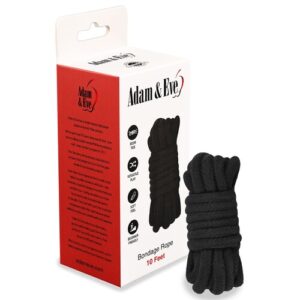
Adam & Eve Bondage Rope - Bondage | Adam & Eve Adam & Eve Bondage Rope - Bondage | Adam & Eve Real-world overview based on the current product listing details. Adam & Eve Bondage Rope - Bondage | Adam & Eve (shop link) This is an adult product intended for consensual use. Please refer to the listing for full details and suitability. View price & buy Answer Capsule What is it?Adam & Eve Bondage Rope - Bondage | Adam & Eve — an adult product sold via Lovehoney AU (see the product page for the complete specification). Who is it for?Adults looking to explore pleasure solo or with a partner,…
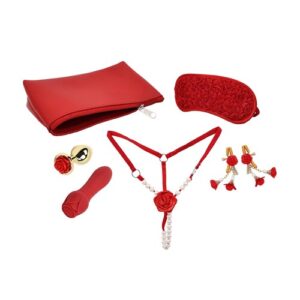
Ravishing Rose 6 Piece Travel Kit - Bondage | Adam & Eve Ravishing Rose 6 Piece Travel Kit - Bondage | Adam & Eve Real-world overview based on the current product listing details. Ravishing Rose 6 Piece Travel Kit - Bondage | Adam & Eve (shop link) This is an adult product intended for consensual use. Please refer to the listing for full details and suitability. View price & buy Answer Capsule What is it?Ravishing Rose 6 Piece Travel Kit - Bondage | Adam & Eve — an adult product sold via Lovehoney AU (see the product page for the complete specification). Who is it for?Adults looking to explore pleasure solo or…
Hog Tie & Cuff Set - Bondage | Adam & Eve Hog Tie & Cuff Set - Bondage | Adam & Eve Real-world overview based on the current product listing details. Hog Tie & Cuff Set - Bondage | Adam & Eve (shop link) This is an adult product intended for consensual use. Please refer to the listing for full details and suitability. View price & buy Answer Capsule What is it?Hog Tie & Cuff Set - Bondage | Adam & Eve — an adult product sold via Lovehoney AU (see the product page for the complete specification). Who is it for?Adults looking to explore pleasure solo or with a partner,…
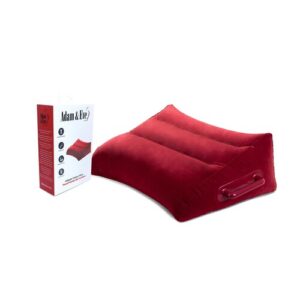
Adam & Eve Inflatable Position Pillow - Bondage | Adam & Eve Adam & Eve Inflatable Position Pillow - Bondage | Adam & Eve Real-world overview based on the current product listing details. Adam & Eve Inflatable Position Pillow - Bondage | Adam & Eve (shop link) This is an adult product intended for consensual use. Please refer to the listing for full details and suitability. View price & buy Answer Capsule What is it?Adam & Eve Inflatable Position Pillow - Bondage | Adam & Eve — an adult product sold via Lovehoney AU (see the product page for the complete specification). Who is it for?Adults looking to explore pleasure solo or…
Under the Bed Restraint System - Bondage | Adam & Eve Under the Bed Restraint System - Bondage | Adam & Eve Real-world overview based on the current product listing details. Under the Bed Restraint System - Bondage | Adam & Eve (shop link) This is an adult product intended for consensual use. Please refer to the listing for full details and suitability. View price & buy Answer Capsule What is it?Under the Bed Restraint System - Bondage | Adam & Eve — an adult product sold via Lovehoney AU (see the product page for the complete specification). Who is it for?Adults looking to explore pleasure solo or with a partner,…
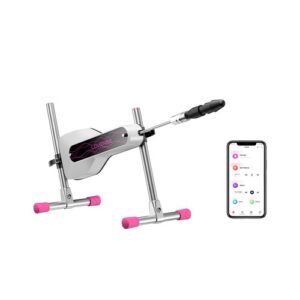
Lovense App Enabled Mini Sex Machine - Bondage | Adam & Eve Lovense App Enabled Mini Sex Machine - Bondage | Adam & Eve Real-world overview based on the current product listing details. Lovense App Enabled Mini Sex Machine - Bondage | Adam & Eve (shop link) This is an adult product intended for consensual use. Please refer to the listing for full details and suitability. View price & buy Answer Capsule What is it?Lovense App Enabled Mini Sex Machine - Bondage | Adam & Eve — an adult product sold via Lovehoney AU (see the product page for the complete specification). Who is it for?Adults looking to explore pleasure solo or…
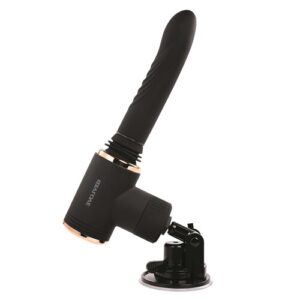
Too Hot To Handle Sex Machine - Bondage | Adam & Eve Too Hot To Handle Sex Machine - Bondage | Adam & Eve Real-world overview based on the current product listing details. Too Hot To Handle Sex Machine - Bondage | Adam & Eve (shop link) This is an adult product intended for consensual use. Please refer to the listing for full details and suitability. View price & buy Answer Capsule What is it?Too Hot To Handle Sex Machine - Bondage | Adam & Eve — an adult product sold via Lovehoney AU (see the product page for the complete specification). Who is it for?Adults looking to explore pleasure solo or…
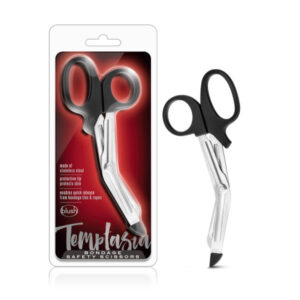
Temptasia Safety Scissors - Black Bondage Safety Sisters Temptasia Safety Scissors - Black Bondage Safety Sisters. Quickly and safely release your bound lover from rope, tape, poly wrap, zip ties, or soft bondage materials. Bondage Safety Scissors have a rounded, protected tip, and angled handle that ensure you will not injure skin. Ideal for situations where you may need to quickly release your captive, for medical fetish scenes, and for cutting off clothing. Keep you scissors in your night stand, toy bag, or anywhere you like to play! A must-have tool for new and experienced bondage enthusiasts alike. - ESSENTIAL - The Perfect Tool to Safely Cut Your…
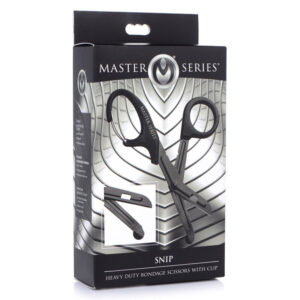
Master Series Snip - Black Heavy Duty Bondage Scissors Master Series Snip - Black Heavy Duty Bondage Scissors. The Snip is a dependable pair of shears every dungeon can count on! These Bondage Scissors are perfect for cutting rope or bondage tape thanks to its durable stainless steel blades and blunted tip - perfect for those testing their bondage limits. The carabiner handle makes it easy to keep close at hand and on your person. The sharp serrated blade easily cuts through rope and tape, making it easy to set your partner free in case of emergencies for a quick escape. The blunted safety tip protects skin during use…
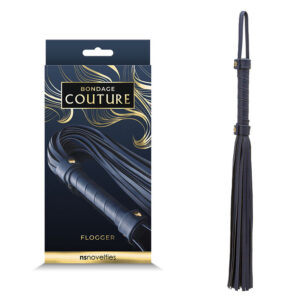
Bondage Couture Flogger - Blue - Blue Flogger Whip Bondage Couture Flogger - Blue - Blue Flogger Whip. Indulge your innermost desires with Bondage Couture from NS Novelties. Meticulously crafted from superior materials and featuring exquisite details, Bondage Couture is your ultimate accessory for the runway and the bedroom. All synthetic material and nickel free hardware. - Product Weight: 174 grams - Product Dimensions: 57 cm x 3.9 cm x 3.9 cm - Product Material: Pu Synthetic, Metal. Another genuine quality product from Ns Novelties.
Chain Body Jewelry Bondage Set Chain Body Jewelry Bondage Set. Indulge in the ultimate expression of sensual submission with the Rene Rofe Chain Body Jewelry Bondage Set. This exquisite set includes a seductive chain harness, matching cuffs, and a collar, all crafted from high-quality metal for a luxurious look and feel. The harness drapes sensually across your curves, accentuating your every move and highlighting your most alluring features. The matching cuffs and collar add a touch of restraint, making you feel deliciously vulnerable and entirely at your lover's mercy. With its intricate design and premium materials, the Rene Rofe Chain Body Jewelry Bondage Set is…